
AUTHOR
Mr. Muneer Ahamed
Head of Research and Development, NPM Aquatic Fish Links Pvt Ltd, Thrissur

Introduction
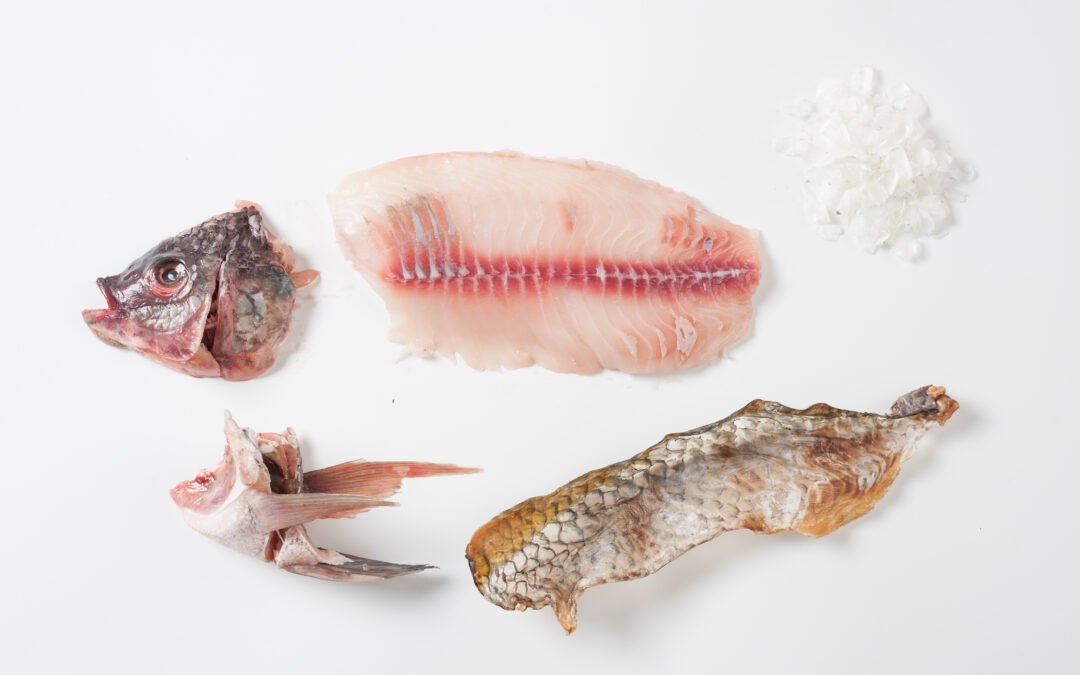
Marine byproducts are the unused or leftover components of seafood such as shells, bones, heads, skin, and internal organs generated during processing for human consumption. With the global seafood industry expanding, the volume of these byproducts has risen sharply, creating both an environmental challenge and an opportunity for sustainable valorization. Instead of treating them as waste, these resources can be transformed into valuable products, contributing to a circular economy in the marine sector.
According to the FAO (2024), global aquatic production in 2022 reached 223.2 million tonnes, of which 78.1 million tonnes, or 35 percent, were considered waste or losses. Furthermore, about 15 percent of total aquatic food produced is lost, while only 5 percent of byproducts are effectively utilized. Since nearly 40 percent of aquatic foods undergo processing, the potential for improved utilization of byproducts remains substantial and underexploited.
Importance of marine byproducts
Marine byproducts are rich in high-value compounds including proteins and peptides, fish oils, gelatine, collagen, chitin and chitosan, enzymes, minerals, pigments, and bioactives. These valuable components can be used across a wide range of industries such as aquaculture, livestock feed, pharmaceuticals, nutraceuticals, cosmetics, agriculture, and human health. Their recovery not only reduces environmental burdens but also generates economic opportunities.
Transforming marine waste into wealth
Innovation plays a vital role in transforming marine waste into wealth. Shrimp processing, particularly with Vannamei shrimp, highlights this potential since shrimp heads account for 35 to 45 percent of body weight, yet only 1.6 percent of their potential value is currently realized. Through upcycling, shrimp heads can be converted into protein hydrolysates, chitin, and other bioactive compounds, significantly increasing their contribution to the economy while reducing waste.
For More>>